
Follow production from trucks to belts.
See truck arrivals, crusher feed and belt activity together. Review events from a shift and decide what needs attention.
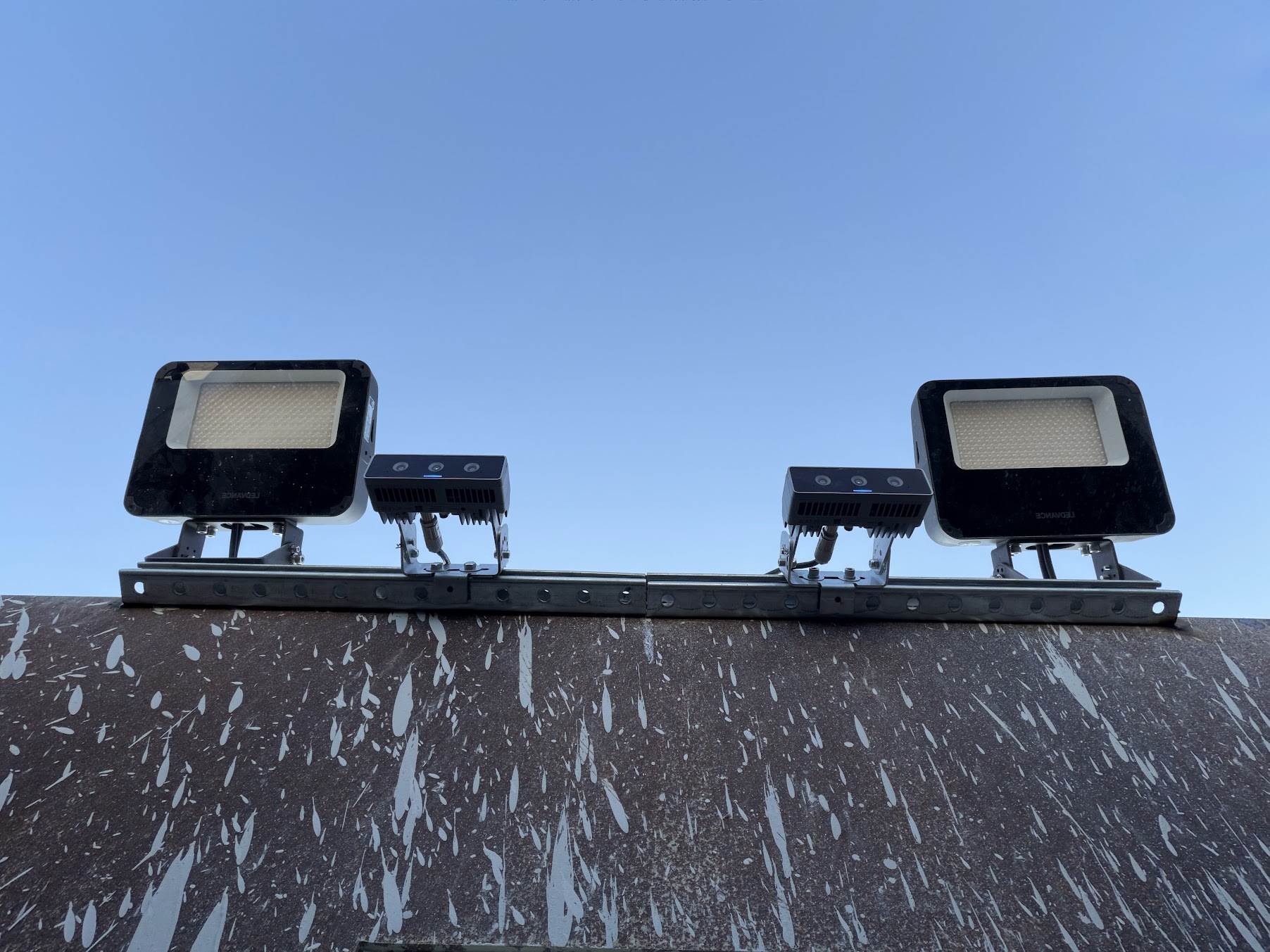
Where does the cycle slow down?
Compare truck arrivals, queues and tipping with crusher feed across a shift.
- Track truck arrivals and tipping
- Review queue time against feed activity
- Compare events within the agreed operating period
Small interruptions can be hard to see in a shift total. Review the events and investigate where productive time is being lost.
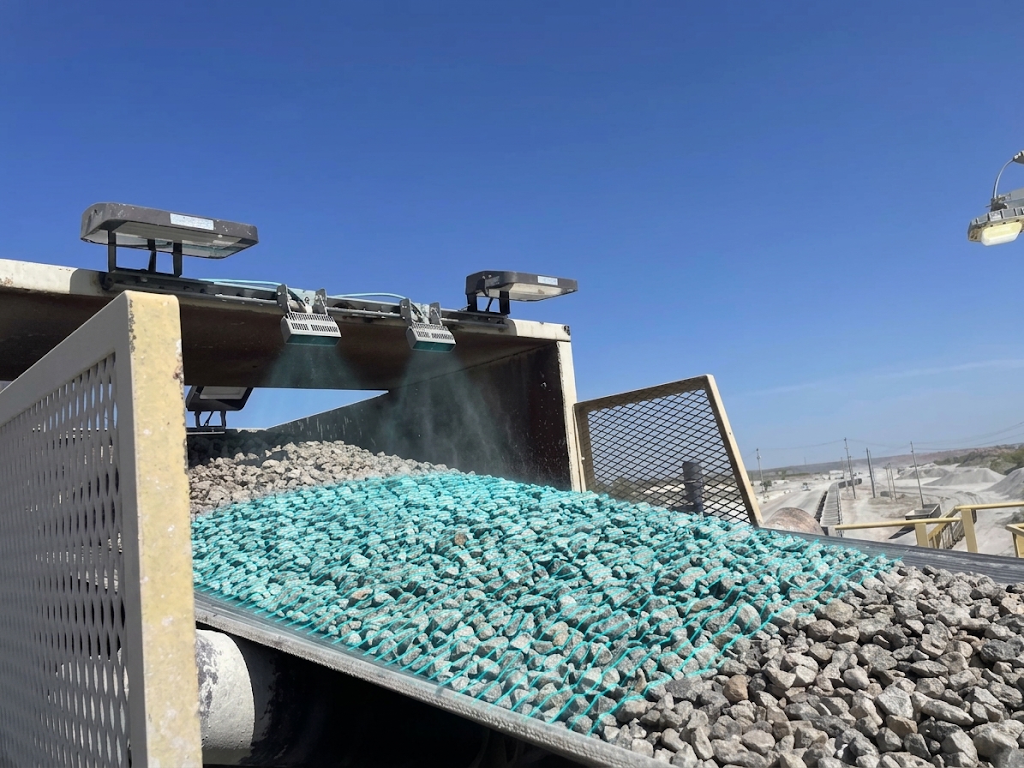
What happens before crusher downtime?
Use camera-based AI detection to review feed and belt activity around oversize events and crusher downtime.
- Measure black belt time, when a belt runs without material
- Review camera-detected oversize events with video context
- Correlate with truck dumps to find out bottlenecks
A detection is a timestamped event with video context, not proof of crusher downtime. What happens next is configured per site.
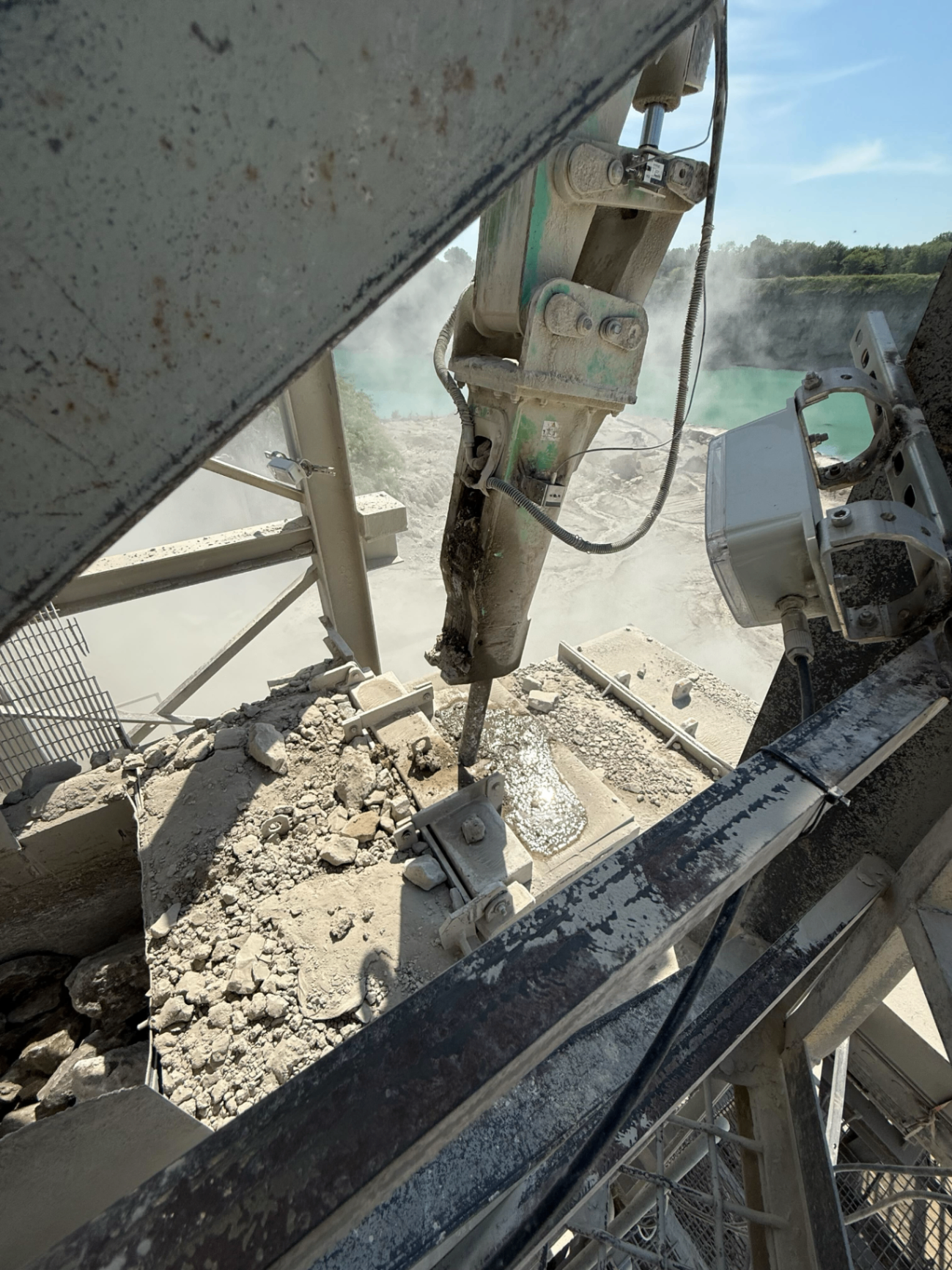
What can the team act on?
Send relevant events and reports to the people responsible for the equipment.
- Route alerts to operators and supervisors
- Prepare shift and maintenance reports
- Assess PLC and rockbreaker integration for the site equipment
Alerting is configured per site. PLC and rockbreaker integration is assessed against the equipment you already run, not assumed.
Look at one area in detail.
- Primary crushing operations
Feed continuity, blockages and downtime context at the primary.
- Autonomous rockbreaker
Clearing oversize and bridging at the primary under remote supervision.
- Crusher feed monitoring
Timestamped oversize and feed events with video context.
- Conveyor monitoring and empty belt time
When the belt carried material, and when it ran empty.
- Aggregate gradation
A continuous view of sizing between your samples.
Talk to our team
Ask about equipment compatibility, installation or pricing, and tell us which area of the plant you want to look at first.
Talk to our team