
Aggregate gradation
Aggregate gradation monitoring between samples
Camera-based sizing gives you a continuous view of how your material is sizing on the conveyor, in the same timeline as feed and belt activity. You see when the size distribution changes, how long the change lasted, and whether it is worth pulling a sample now.
Ask about gradation monitoring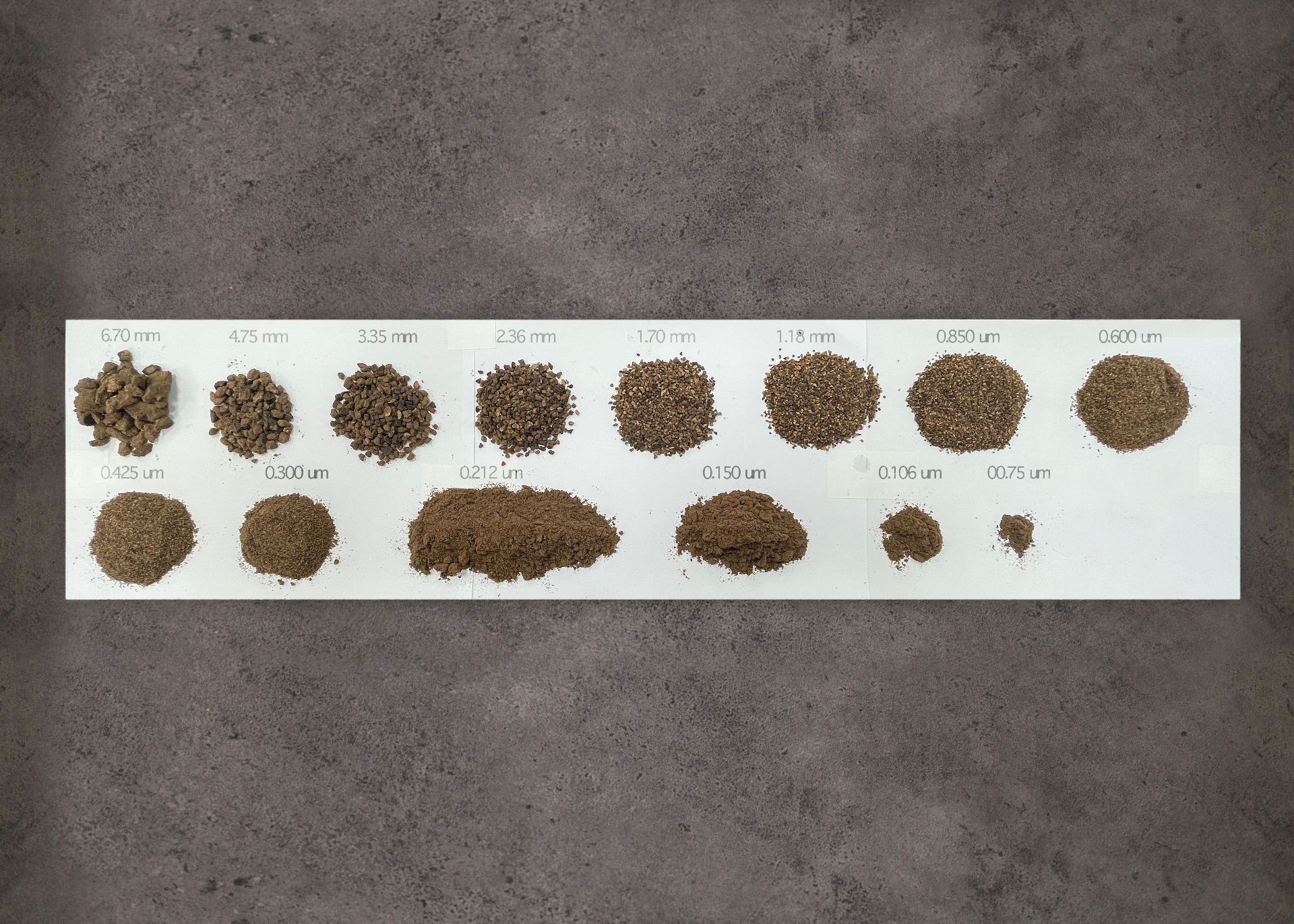
The operational problem
Sampling tells you what the material looked like at the moment it was taken. Between samples, a change in feed, a worn liner or a screen problem can run for hours before it shows up in a result.
The useful question on shift is usually whether something changed, when it changed, and what else was happening at that time.
What can be observed
- Camera-based sizing of material on a conveyor, where the view is suitable
- Change over time in the size fractions you care about
- Rock and oversize detections in the same timeline as feed and belt activity
- Periods of poor visibility or missing data, reported as missing rather than as a result
How your team would use it
Start from a shift where product went off. Look at the sizing trend across that shift, find where it moved, and check the feed and belt record at the same timestamps.
The record gives the shift, quality and maintenance discussion the same timeline, so a change can be tied to something that happened on the plant rather than argued from memory.
Calibration and validation
Camera output is calibrated against your own material and your own sample results, on the fractions you care about. How the two are compared, over what period, and what happens when they disagree are agreed with you during site validation.
Your sampling routine stays in place. Camera-based sizing is a continuous observation between samples, not a sieve result and not a compliance record.
What we need for a walkthrough
- The products and size fractions that matter most to you
- Where the material can be viewed on a conveyor
- Your current sampling routine and recent sample results
- Typical moisture, segregation and lighting conditions at that point
- What decision you would want to make from a continuous view
Questions we are usually asked
- Does this replace sieve analysis?
- No. Camera-based sizing does not replace laboratory sieve analysis and is not a compliance instrument. It is a continuous observation that is compared against the sampling you already do.
- How accurate is it?
- We do not publish a single accuracy figure, because it depends on the material, the camera position, lighting and the size range of interest. Accuracy is established by validating against your own sample results on your own material.
- What is needed to assess suitability?
- The size fractions you care about, where the material can be viewed on a conveyor, your current sampling routine and recent sample results. That is what a suitability review is based on.
- What happens if it is not suitable for our material?
- We say so. Fine fractions, wet or heavily segregated material and poor viewing positions all limit what a camera can distinguish. A suitability review can end with gradation being the wrong place to start.
Talk to our team
Ask about equipment compatibility, installation or pricing. Tell us which area you want to look at first and we will go through it with you.
Ask about gradation monitoringRelated pages
- Primary crushing operations
Feed continuity and downtime upstream of product sizing.
- Crusher feed monitoring
Review oversize events and feed interruptions upstream of product.
- Conveyor monitoring and empty belt time
See when the belt carried material and when it did not.
- Production monitoring overview
How trucks, crusher and belts are reviewed together.